Best Time to Visit Crete
A complete month-by-month guide to weather, crowds, beaches, hiking, and prices — so you can pick the perfect trip.
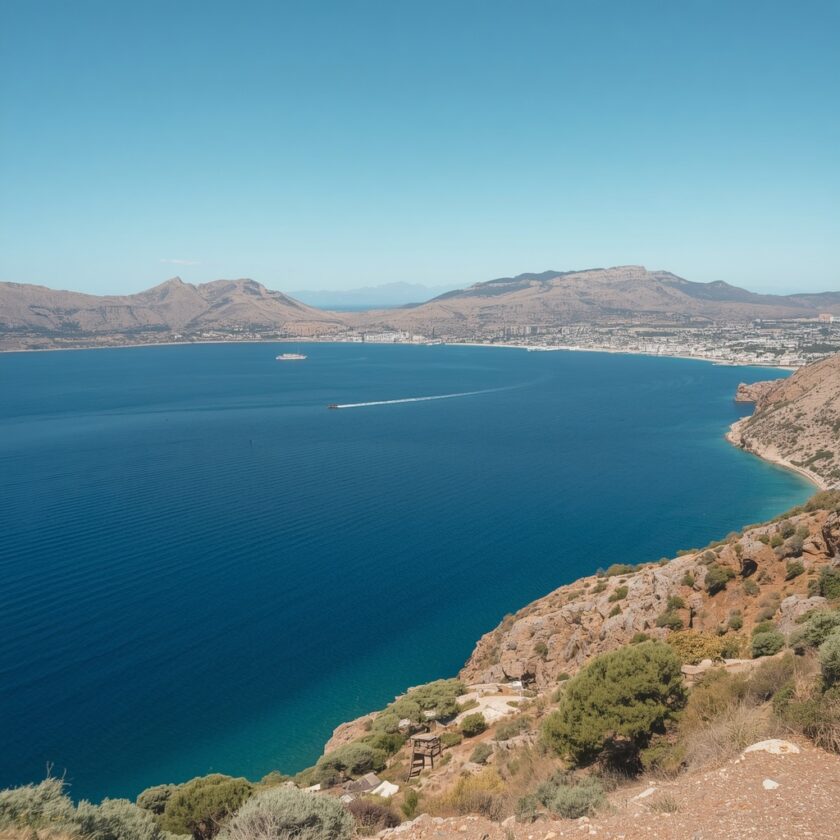
Crete is not like the rest of Greece. It is the country’s largest island — 260 kilometres long, with snow-capped mountains, gorges, pink-sand lagoons, Minoan ruins, and four fully functioning cities. It is also the warmest Greek island, with a swimming season that stretches from May to October and a winter mild enough to visit year-round. The question is not whether to go, but when — and that depends entirely on what you want to do.
This guide breaks down every month of the year so you can match your travel style to the right season.
At a Glance: Best Time by Traveller Type
| You want to… | Best months | Rating |
|---|---|---|
| Swim & beach-relax | July, August, September | Best |
| Avoid crowds, still swim | May–June, September–October | Best |
| Hike Samaria Gorge | May, June, September | Best |
| Visit Knossos & ruins | April–June, September–October | Best |
| Save money | April, October, November | Good |
| Wildflowers & spring scenery | March–April | Good |
| Experience local life | November–March | Quiet |
| Summer nightlife | July–August | Best |
| Budget beach + no rain | May, October | Good |
Monthly Weather Overview
Crete’s Mediterranean climate means hot, dry summers and mild, changeable winters. The north coast is slightly cooler than the south, and the White Mountains create their own microclimate in the west. Here is what you can expect month by month:
| Month | Jan | Feb | Mar | Apr | May | Jun | Jul | Aug | Sep | Oct | Nov | Dec |
|---|---|---|---|---|---|---|---|---|---|---|---|---|
| Avg High °C | 15 | 16 | 18 | 21 | 25 | 29 | 32 | 32 | 28 | 24 | 20 | 16 |
| Sea Temp °C | 16 | 15 | 16 | 17 | 19 | 23 | 25 | 26 | 25 | 23 | 20 | 17 |
| Sun (hrs/day) | 4 | 5 | 6 | 8 | 10 | 12 | 13 | 13 | 10 | 8 | 5 | 4 |
| Rain (mm) | 83 | 75 | 63 | 32 | 14 | 3 | 1 | 2 | 12 | 42 | 68 | 80 |
🌸 Spring — March, April, May
Spring is many experienced travellers’ favourite season in Crete. The island wakes up slowly from winter — almond trees and wildflowers bloom, the air smells of wild herbs, and the light has a freshness that summer’s heat burns away. Crowds are a fraction of July levels and prices are significantly lower.
Quiet
6 hrs sunshine
63 mm rain
Very few tourists
March is still firmly the off-season. Many beach resorts remain closed and the weather can be unpredictable — expect sunshine one day and showers the next. That said, the cities of Heraklion, Chania, and Rethymno are lively with locals. Rethymno’s famous Carnival runs through early March, one of the biggest in Greece, with themed events and street celebrations for weeks. If you want to see authentic Cretan culture without a tourist in sight, March delivers.
Good
8 hrs sunshine
32 mm rain
Very light crowds
April is a genuine hidden gem. Temperatures are comfortable (17–21°C), rain drops sharply compared to March, and the island is carpeted in wildflowers. The Samaria Gorge typically remains closed, but the coastal paths and mountain villages are magnificent for walking. Greek Easter (April 20th in 2026) is a spectacular cultural experience,midnight processions, fireworks, and feasts. Accommodation is still very affordable, and archaeological sites like Knossos are a pleasure without July’s queues.
Best Month
10 hrs sunshine
14 mm rain
Moderate, manageable
May is one of the two best months to visit Crete, full stop. The Samaria Gorge — Europe’s longest gorge at 16 km — opens around May 1st, and the cooler temperatures make the hike genuinely enjoyable. The sea reaches around 19°C, which is bracing but swimmable. Everything is open for the season: beach clubs, tavernas, boat tours, and every attraction. The landscape is still green from spring rains, and prices have not yet spiked to summer levels. Book accommodation in advance as May has become increasingly popular.
☀️ Summer — June, July, August
Summer is peak season and for good reason: guaranteed sunshine, a warm sea, and an electric atmosphere in the coastal towns. If you want beach holidays and nightlife, this is the time. Just prepare for the crowds and book everything months in advance.
Best Month
12 hrs sunshine
3 mm rain
Busy but not packed
June is often cited as the single best month by those who know Crete well. The weather is near-perfect — hot enough for beaches and lazy afternoons, but not yet at the oppressive peak of August. The sea is warm (around 23°C). Everything is fully open. Crowds are present but nothing like July and August — you can still find a spot on the famous Elafonissi beach without planning it a week in advance. Prices are also slightly lower than peak summer. June threads the needle between ideal weather and manageable crowds better than any other month.
High Season
13 hrs sunshine
1 mm rain
Very busy
July is peak season. The island is at its most vibrant — parties in Malia and Hersonissos, packed beaches, open-air cinema and music festivals in Heraklion (the Summer Arts Festival runs July to mid-September). The Meltemi, a strong north-westerly wind, brings relief from the heat on north-coast beaches. Visit archaeological sites early in the morning — Knossos by 8am means manageable crowds and bearable temperatures before the midday heat becomes exhausting. Book flights and hotels at least 3–4 months ahead.
High Season
13 hrs sunshine
2 mm rain
Busiest month
August is the absolute peak. The sea reaches its warmest (26°C), the days are long, and every coastal town buzzes with energy. It is also the most expensive month by a significant margin, and some beaches — particularly Balos and Elafonissi — become uncomfortably crowded. The Feast of the Assumption on August 15th is a national holiday: roads jam, ferries fill, and the whole island pauses for family reunions. If you travel in August, book everything as far in advance as possible and manage expectations about uncrowded beaches.
🍂 Autumn — September, October, November
Autumn is arguably the most underrated time to visit Crete. The summer crowds have thinned, prices fall noticeably, and the sea — which has been warming all summer — is at its absolute warmest. September and October in particular offer a near-ideal combination of everything.
Best Month
10 hrs sunshine
12 mm rain
Moderate — dropping fast
September is arguably the best month for pure beach holidays. The sea is at peak warmth (25°C), the summer crowds have thinned dramatically after the school year starts, and the weather remains hot and sunny with virtually no rain. The Samaria Gorge is still open. All restaurants and attractions operate normal summer hours until at least October. Harvest season brings wonderful food — fresh grapes, wine festivals in the villages, and olive groves preparing for the autumn harvest. This is also the best month for hikers who missed the spring window.
Very Good
8 hrs sunshine
42 mm rain
Light
October marks the start of a quieter Crete. Early October still feels very much like summer — warm days, swimmable sea (around 23°C), and mostly open businesses. From mid-October onwards, some beach clubs close and the first autumn rains begin. Prices drop considerably. Archaeological sites and museums open with relaxed access. The landscape begins its autumn transformation, and the light takes on a golden quality that many photographers specifically target. The Samaria Gorge closes around October 31st.
Off-Season
5 hrs sunshine
68 mm rain
Very few tourists
November marks the beginning of the off-season. Many coastal resorts shut down, ferry connections reduce, and beach holidays are off the table. Rain is frequent. However, Heraklion, Chania, and Rethymno remain fully operational with museums, excellent restaurants, and Venetian old towns to explore. Prices for flights and hotels are at their lowest. If your interest is Minoan history, Cretan food and wine, or simply wandering beautiful cities without another tourist in sight, November is genuinely rewarding.
❄️ Winter — December, January, February
Unlike Santorini or Mykonos, which essentially shut down in winter, Crete is a real, functioning island with 600,000 permanent residents. Its three major cities stay fully alive year-round. Winter is cool, sometimes rainy, occasionally dramatic — but it offers a side of Crete that no summer visitor ever sees.
For Adventurers
4–5 hrs sunshine
75–83 mm rain
Almost none
Winter in Crete is cool — typically 14–17°C during the day — with frequent rain and occasional storms on the north coast. The White Mountains receive snow and become genuinely dramatic to look at from the coast. Most tourist infrastructure is closed, but the three main cities offer excellent Cretan food, world-class museums (the Heraklion Archaeological Museum is magnificent on a quiet winter afternoon), and warm hospitality from locals delighted to see visitors out of season.
Rethymno’s Carnival, running January through early March, is one of the biggest in Greece — a month of themed events, street parties, and costumes. Christmas and New Year in Chania’s Venetian old town is quietly special. Budget travellers can find accommodation at a fraction of summer prices.
Best Season for Each Activity
Beaches & SwimmingJuly–September for warmest sea. May–June and October for fewer crowds. Elafonissi, Balos, Falassarna, Vai.
Samaria GorgeMay 1 – October 31 (open season). Best in May and September — cooler temps, fewer walkers.
Knossos & RuinsApril–June and September–October. Avoid August midday — extreme heat at open-air sites.
Food & WineYear-round. September–October for harvest festivals. Winter for authentic local tavernas without tourism pressure.
Wildflowers & SceneryMarch–April. The island is green and bursting with anemones, orchids, and poppies.
Festivals & NightlifeJuly–August for beach parties. Rethymno Carnival: Jan–March. Greek Easter: April.
Best PricesNovember–March for lowest costs. April and October for good value with decent weather.
Island HoppingMay–October. Ferries to Santorini, Mykonos, and other Cyclades run regularly in season.
Practical Tips for Planning Your Trip
How Long to Stay
Crete is 260 kilometres from end to end — closer in size to a small country than a typical Greek island. A minimum of five to seven days is recommended to do it justice. With only three or four days, focus on one half: western Crete (Chania, Elafonissi, Balos, Samaria) or eastern Crete (Heraklion, Knossos, Agios Nikolaos, Spinalonga).
Which Airport to Use
Crete has two main international airports. Heraklion (HER) is the larger one, handling most charter and long-haul flights, and is the right choice for visiting central and eastern Crete, including Knossos and the resort areas of Hersonissos and Elounda. Chania (CHQ) is the better option for western Crete — the old town, Elafonissi beach, Balos lagoon, and the Samaria Gorge.
Getting Around
Renting a car is strongly recommended. Crete’s best beaches, gorges, and villages are spread across a large area and public transport, while it exists, is limited for off-the-beaten-path exploration. Car rental prices are reasonable in shoulder season (April–May, October) and higher in July–August, when booking in advance is essential.
Booking Accommodation
For July and August, book accommodation at least three to four months in advance — popular hotels in Chania’s old town and the beach resorts sell out quickly. In May, June, September, and October, one to two months ahead is sufficient for most areas. Winter bookings can often be made a few weeks in advance.
Final Verdict: When Should You Go?
For most travellers, May–June and September are the sweet spot. You get warm, sunny weather, a swimmable sea, open businesses, and manageable crowds — along with noticeably lower prices than peak summer. These months offer the full Cretan experience without the trade-offs of August.
If beach holidays and nightlife are your priority, July and August deliver exactly what you want — just accept the crowds and plan ahead.
For budget travellers or those interested in culture and history over beaches, April and October offer excellent value with good weather and almost no queues at major sights.
For the truly adventurous, winter in Crete — based in Heraklion or Chania — reveals an island most visitors never see: storm-battered coastlines, snow-dusted mountains, and the warmth of Cretan hospitality at its most genuine.
Whichever month you choose, Crete rarely disappoints. It is a place with enough depth, variety, and beauty to reward repeat visits in every season.